The Unexpected Charm of Recycled Metal Art
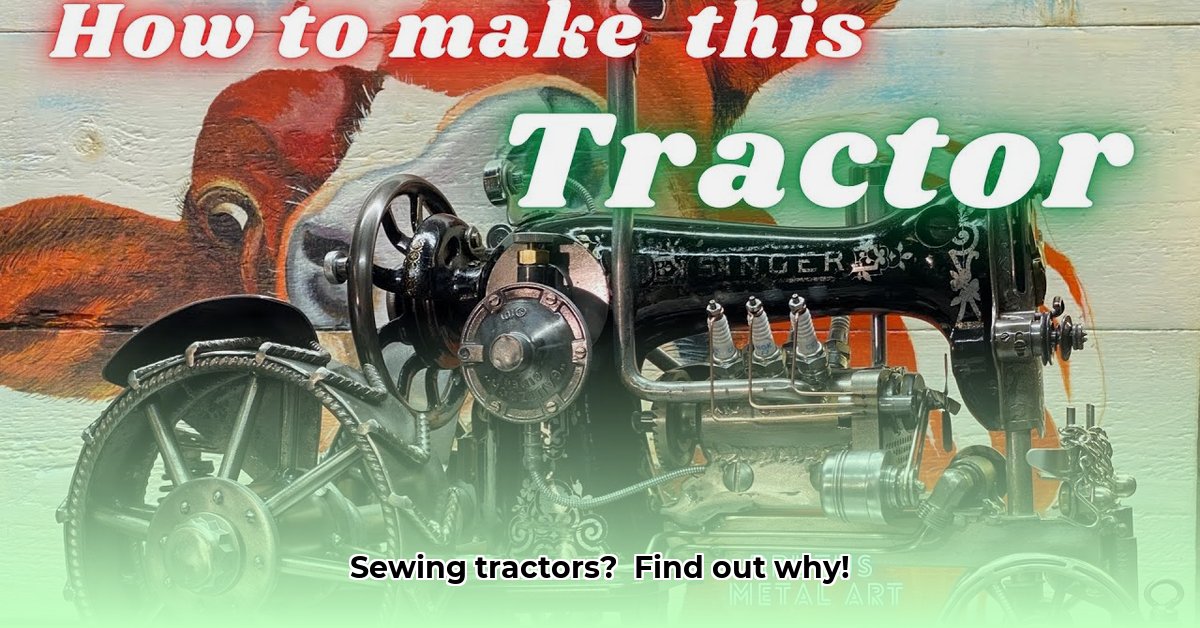
Imagine stumbling upon a forgotten Singer sewing machine, its chrome dulled by time. Instead of scrap, you see a miniature tractor, its wheels fashioned from the machine's intricate gears, its body a testament to repurposed ingenuity. This is the captivating world of sewing machine tractors – a unique blend of art, recycling, and nostalgic charm. More than just a quirky hobby, this craft is gaining traction, capturing the hearts of collectors, sustainability advocates, and those who appreciate the beauty of transformation. This article delves into the history, artistry, and market potential of this fascinating trend.
From Sewing Machine to Tractor: A Step-by-Step Guide
Crafting a sewing machine tractor is a meticulous journey, blending artistic vision with engineering precision. It's not simply welding; it's a transformative process that breathes new life into forgotten metal.
Step 1: Sourcing the Perfect Machine: The hunt begins with finding a sturdy, vintage sewing machine. Scratches and imperfections add character, narrating a tale of time and use.
Step 2: Conceptualizing the Design: Before you weld, sketch your vision. Will it be a classic tractor design, a steampunk marvel, or something entirely unique? Consider how each part of the sewing machine will contribute to the final form.
Step 3: Disassembly and Preparation: Carefully disassemble the machine, cataloging every part. This meticulous process preserves potentially usable components and ensures your design's integrity.
Step 4: Welding and Fabrication: This is where the magic happens. Using MIG or TIG welding (always prioritize safety!), carefully combine the sewing machine parts with other scrap metal. Creativity and precision are essential here.
Step 5: Finishing Touches: Smooth out the weld joints, sand, and prime the metal. Finish with a coat of paint, adding personality and protecting your creation. The final touches are crucial in creating a truly polished piece.
Meet the Artists: Visionaries in Metal
Several talented creators are leading this artistic movement. While specific names and links are unavailable from the source document, the unique styles and approaches of these artists are integral to sewing machine tractor art's growing popularity. Their work shows the potential for transforming discarded items into unique works of art.
Market Trends and Future Potential
While precise sales data is limited, the increasing popularity of sewing machine tractors is undeniable. The numerous YouTube tutorials and online communities dedicated to this craft reveal a considerable and growing interest. The market, presently niche, shows strong potential for expansion through various avenues:
- Online Sales: Etsy and similar platforms already host a number of these creations, suggesting increasing online visibility.
- Craft Fairs and Shows: The unique nature of these pieces makes them perfect for showcasing at local art markets and festivals.
- Commissioned Work: The rising demand could lead to increased commissioned works, expanding the market's reach.
This burgeoning interest suggests a significant growth potential, especially among collectors of unique recycled art and environmentally conscious consumers.
The Environmental Impact: Sustainable Art
Sewing machine tractors represent the epitome of sustainable art. By repurposing discarded sewing machines, these artists actively reduce waste and demonstrate the potential of creative reuse. This environmentally friendly aspect resonates deeply with consumers increasingly seeking sustainable and ethically produced goods.
Try it Yourself: A Beginner's Guide
Inspired to create your own? Remember to start small and focus on a simple design. Online tutorials and communities provide valuable resources and support. Most importantly, prioritize safety. Always use appropriate safety equipment and proceed slowly and methodically.
Pricing Your Miniature Marvels
Successfully pricing your creations requires a balanced approach considering several factors:
- Material Costs: Include all material costs, from sourcing the sewing machine to purchasing additional scrap metal.
- Labor Costs: Account for the time invested in each stage – design, disassembly, construction, and finishing.
- Market Research: Examine the prices of similar pieces sold online or at craft fairs to establish a competitive baseline.
- Artist Value: Your experience and reputation will influence pricing.
- Uniqueness: Limited edition pieces or uniquely designed tractors command higher prices.
Careful consideration of these factors guarantees fair pricing that reflects the value and intricacy of your artwork.
Conclusion: The Enduring Appeal of Recycled Ingenuity
Sewing machine tractors are more than just whimsical creations; they're a testament to human creativity, resourcefulness, and our growing appreciation for sustainable practices. Their unique charm, combined with growing market interest, points toward a bright future for this enchanting art form. The possibilities are as boundless as the imagination of the artists who bring these miniature marvels to life.